
What Probate Covers in Brown County
Probate in Brown County is handled by Brown County District Court as part of district court jurisdiction. Court Administration identifies Family/Probate as one of its five divisions, and the Minnesota Judicial Branch Brown County page states that District Court has original jurisdiction in all probate cases filed in Brown County. The research found no separate probate court building and no separate elected probate clerk for Brown County.
Brown County probate records may include estate petitions, will filings, appointment of a personal representative, inventories, creditor notices, accountings, orders, closing statements, guardianship filings, conservatorship filings, trust-related petitions, objections, will contests, motions, evidentiary hearings, and settlement orders. Some records are straightforward estate files. Others involve protected people, finances, medical data, or vulnerable-adult information, so public access is not always the same across all probate case types.
The Minnesota public defender application portal is a separate state court access source, while Brown County probate jurisdiction remains with District Court.
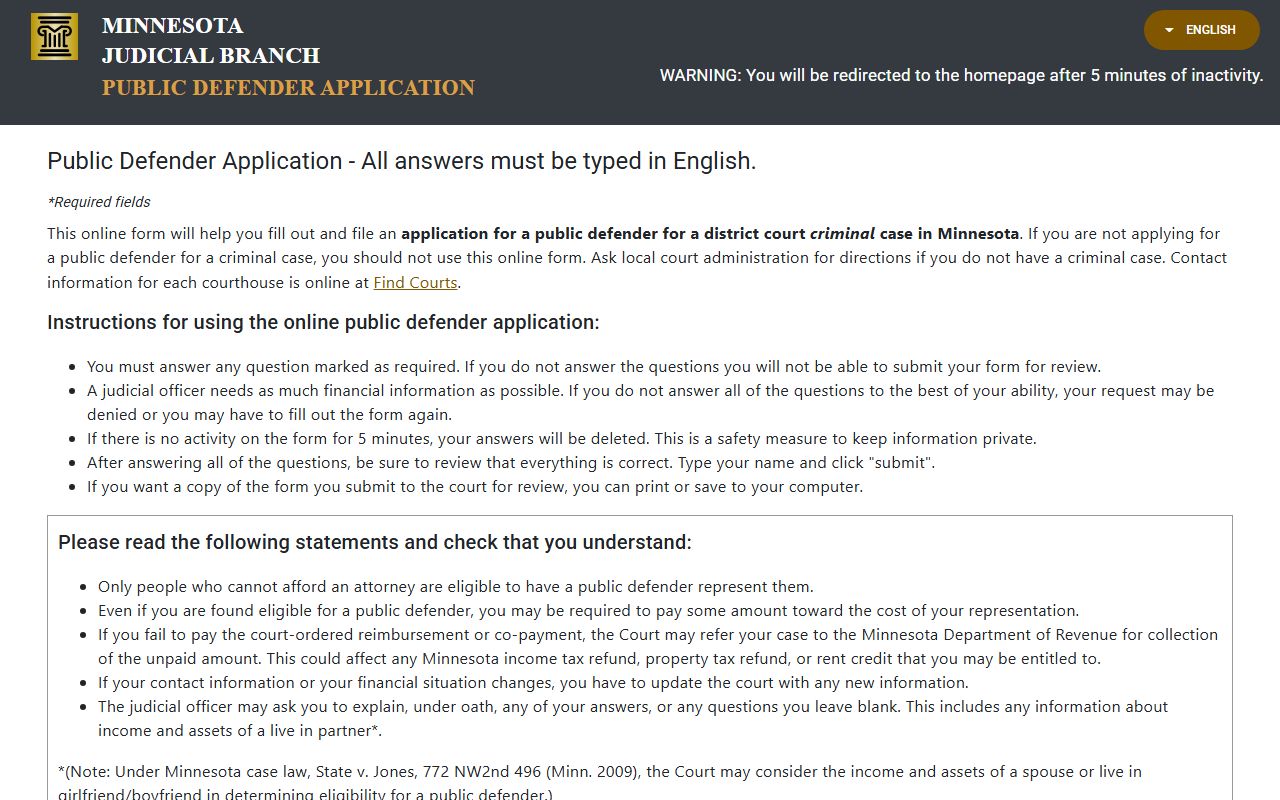
The state court access path matters because Brown County probate records are court records, not county recorder records.
Probate Terms Defined
Probate records use court terms that can be easy to confuse. Brown County probate files may use different party labels depending on whether the case is an estate, guardianship, conservatorship, or contested matter. These definitions are record-access terms, not legal advice about who should file a case.
- Testator
- A person who made a will.
- Executor
- A person named to carry out a will; Minnesota probate records may also use personal representative.
- Intestate
- Dying without a will, which can change the estate case path.
- Guardianship
- A court case about appointment and oversight of a guardian for personal care decisions.
- Conservatorship
- A court case about financial management for a protected person.
- Register of Actions
- The chronological court event list that MCRO may show for a public probate case.
Search Brown County Probate Records
Search Brown County probate records first through MCRO Case Search. Probate cases generally use PR as the case type. The Brown County warrant PDF in the research includes a PR case number tied to failure to appear or contempt, which confirms that PR appears in Brown County court-generated enforcement records. That does not mean the probate file itself is a warrant record. It means a probate-related court order can produce a separate enforcement entry.
Use MCRO Case Search for Brown County probate case lookup by party name, decedent name, or case number when public access is available.
| Field Label | Type | Required | Options or notes |
|---|---|---|---|
| Search tab | Tab or radio | Yes | Person Name, Business Name, Attorney Name, Case Number, Citation Number, or Attorney Bar Number. |
| Last Name | Text | Conditional | Useful for decedent, petitioner, personal representative, guardian, or protected person searches when public. |
| First Name | Text | Conditional | Use with last name to reduce statewide matches. |
| Date of Birth | Date | Optional or unspecified | May help narrow a person-name search where available. |
| Case Number | Text | Conditional | Use a Brown County probate pattern such as 08-PR-year-sequence when known. |
| Search | Button | n/a | Runs the lookup and returns public results. |
- Determine whether the probate matter is already filed in Brown County District Court.
- Search MCRO by decedent name, party name, personal representative name, or PR case number.
- Review the public Register of Actions for filing dates, hearings, orders, and party or attorney information.
- Contact Court Administration for documents that are not remotely available.
- Expect more restrictions for guardianship and conservatorship records because they can include medical, financial, and vulnerable-adult information.
Brown County Probate Court Contact
There is one researched Brown County probate court path: the Probate Division of District Court through Brown County District Court and Court Administration. The contact card below uses the official Court Administration address and phone from the research. Court records use Judicial Branch public-access rules, so the Brown County public data request form is not the first path for probate case copies.
Access channels still matter when MCRO does not provide the whole answer. Online lookup is the first step for public probate case details. In-person review and copy questions go to Court Administration. Phone questions go to the same office. Mail or email requests should follow the official District Court contact path. Brown County data-practices request forms are used for county-agency data, not as the main path for District Court probate case files.
Brown County Probate Division of District Court
14 S State Street, 3rd Floor
New Ulm, MN 56073
507-441-7020
Monday-Friday, 8:00 a.m. to 4:30 p.m.
For marriage records, use the Recorder instead. Probate records and divorce records are District Court records; marriage records use a separate Recorder and MOMS path.
Brown County Probate Filing Fees
The research file did not locate Brown County-specific official probate filing fee amounts, certified copy charges, plain copy charges, or will safekeeping fees. The table therefore preserves the available finding without inventing numbers. Before filing or ordering probate copies, verify current charges with Brown County Court Administration.
| Item | Amount |
|---|---|
| Probate filing fee | Fee not located in Brown County-specific official source reviewed |
| Certified copy or plain copy | Fee not located in reviewed probate research |
| Will safekeeping or deposit | Brown County-specific option not located |
| Guardianship or conservatorship filing | Verify with Brown County Court Administration |
Note: The absence of a fee in the research is not a statement that probate filing or copy services are free.
What Brown County Probate Records Show
Brown County probate records can show the filed petition, party names, attorney information, hearing dates, orders, inventories, notices, accountings, and closing entries when those parts of the file are public. A will may appear in an estate proceeding, but public access depends on the case status and court rules. A guardianship or conservatorship file may show appointment and oversight activity while limiting medical, financial, or protected-person details.
Public online access is not the same as full courthouse access. MCRO may show case details and the Register of Actions without making every document downloadable. Rule 8 controls remote access, and Rule 4 identifies court record categories that are not publicly accessible. If a Brown County probate record is public but not online, Court Administration is the correct follow-up office.
| Field | What It Shows |
|---|---|
| Case number | Brown County probate matters generally use the county prefix and PR case type when filed in District Court. |
| Case type | Estate, guardianship, conservatorship, trust-related, or contested probate matter when public. |
| Parties | Decedent, petitioner, personal representative, guardian, conservator, protected person, attorney, or objecting party depending on case type. |
| Hearings | Date, time, hearing type, judicial officer, and location or remote connection data when publicly available. |
| Register of Actions | Chronological list of filings, orders, notices, hearings, continuances, and closing entries. |
| Documents | Public online documents when Rule 8 allows remote access; other public documents may require Court Administration contact. |
The U.S. Bankruptcy Court CM/ECF login is a federal court system from the manifest, but bankruptcy is not the same as Brown County probate.
That federal image is useful as a contrast: Brown County probate files remain in Minnesota District Court, while bankruptcy records follow a federal court system.
Restricted Brown County Probate Records
Probate access can be limited when a case includes guardianship, conservatorship, medical information, financial information, protected addresses, minor information, mental health material, or sealed records. The general court-record restrictions in the research also include juvenile records, adoption, domestic abuse or harassment protections, personal identifiers, and sealed or expunged records. These limits matter because a public case number or hearing entry does not always mean every document can be viewed online.
The Minnesota expungement chapter is part of the broader public-record restriction framework cited in the research.
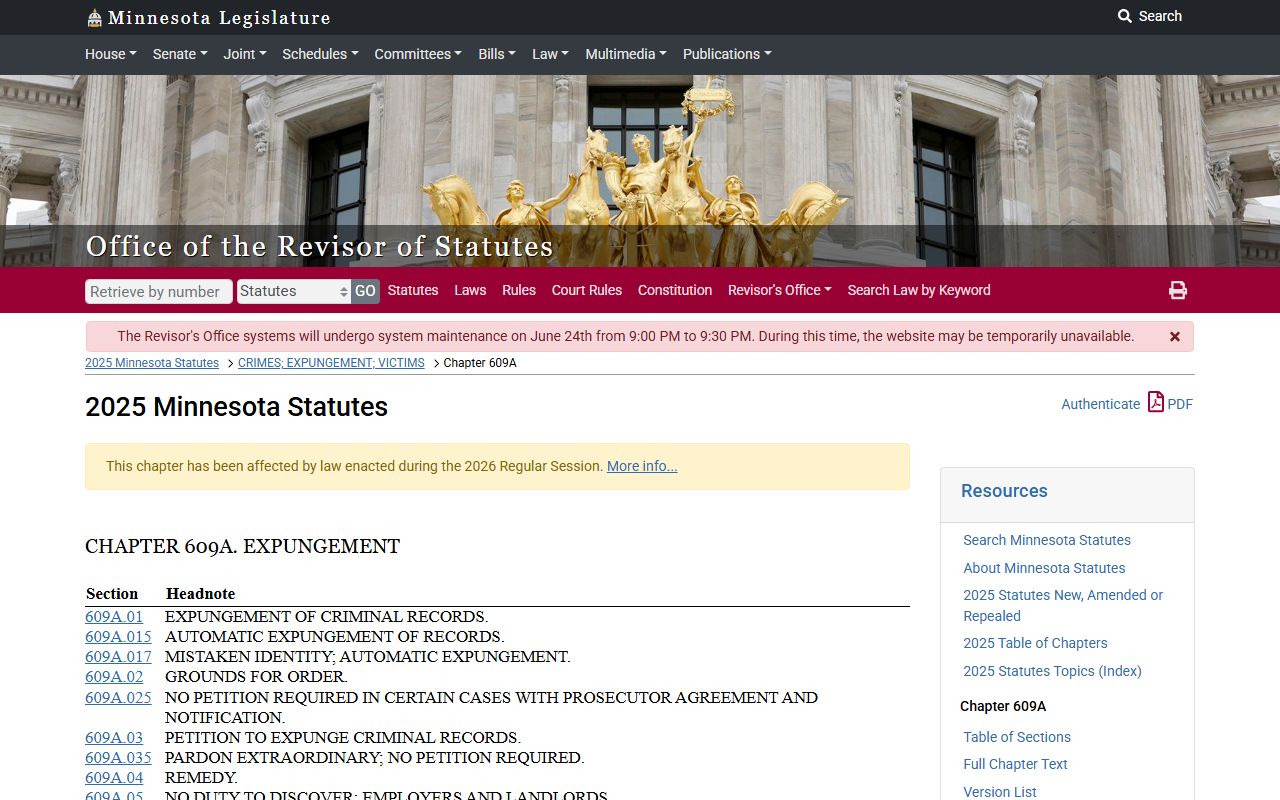
Expungement is more common in criminal-record discussion, but the same research theme applies here: some court records are public, and some are sealed or restricted by rule or order.
The Minnesota expungement petition statute explains petition procedure for criminal record sealing and related access limits.
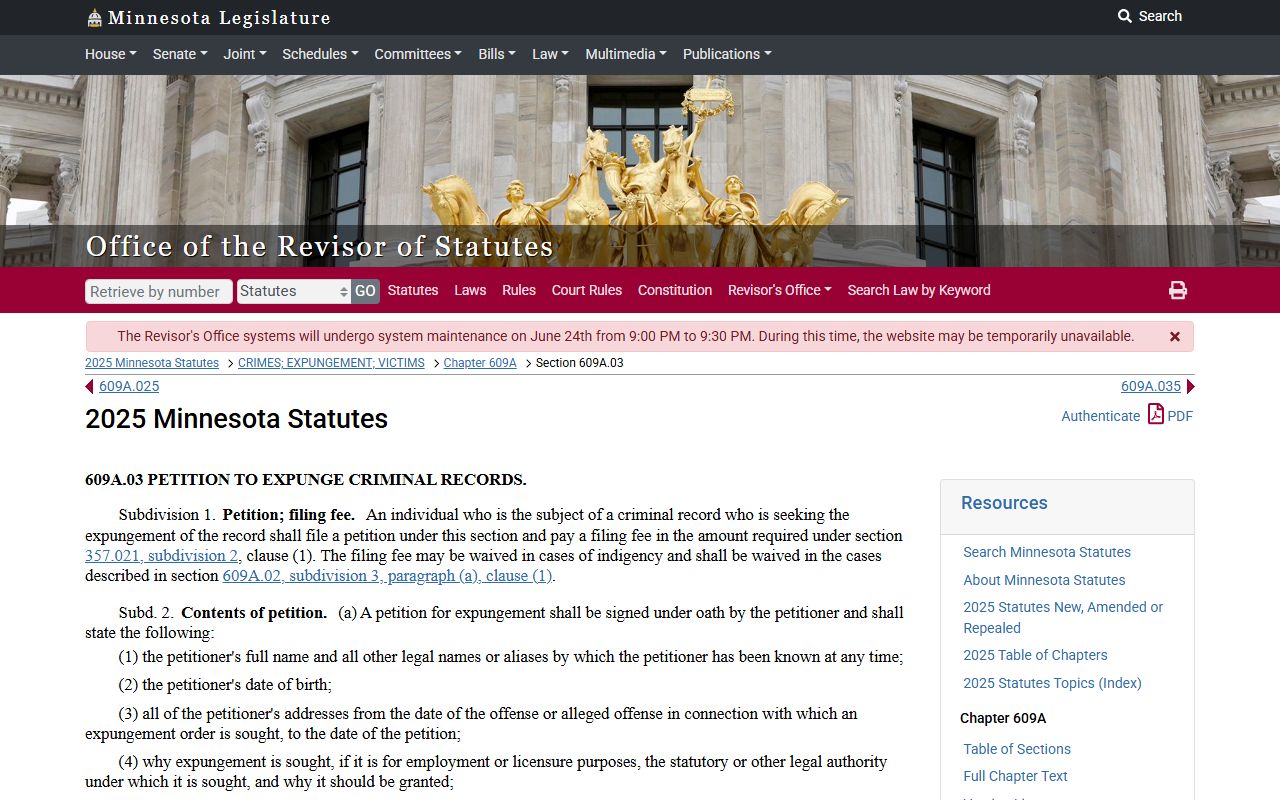
For Brown County probate records, the practical lesson is to check whether the document is public, remotely available, courthouse-only, or restricted.
The Minnesota Judicial Branch expungement FAQ is another source assigned in the manifest for record sealing context.
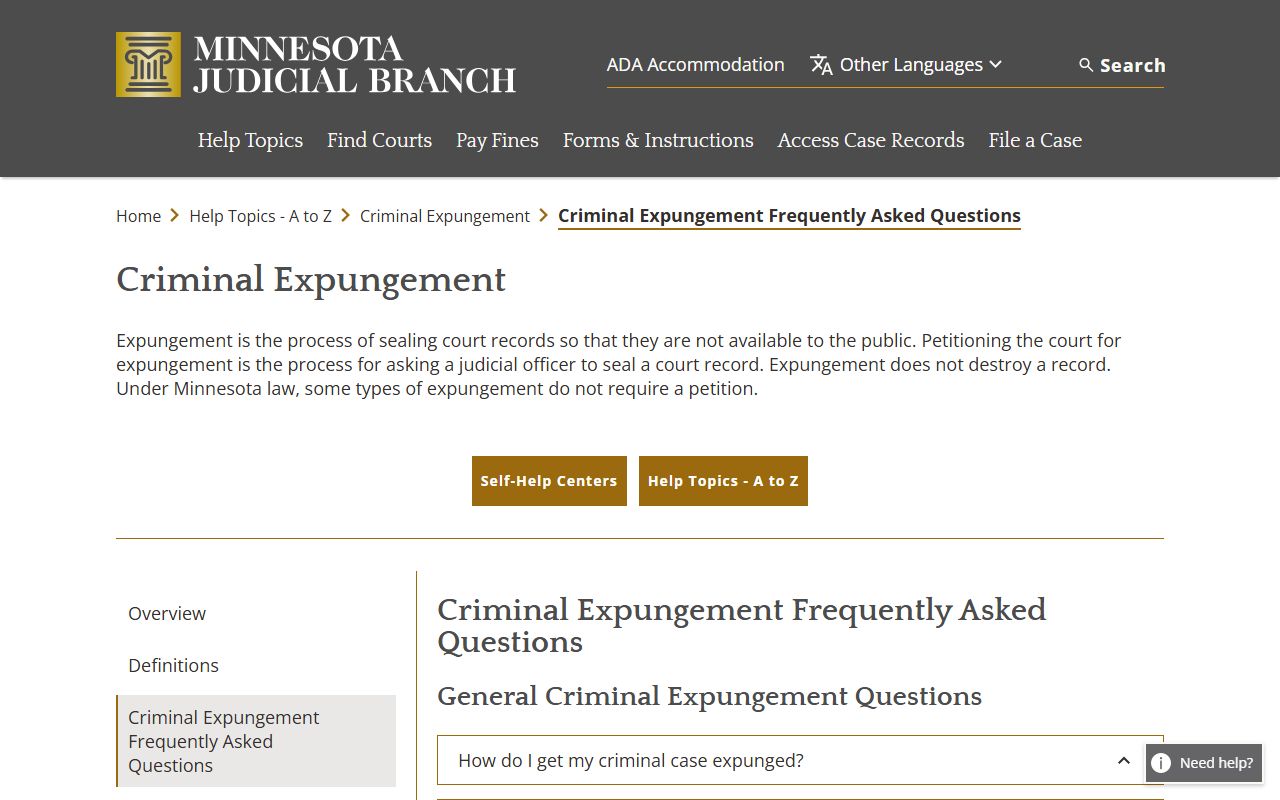
Sealing concepts should not be treated as probate filing steps, but they help explain why some Brown County court records may not be open to the public.
When a Brown County probate search returns limited data, the next step is to identify whether the missing item is not public, not remotely accessible, or simply not scanned for online access. Court Administration can confirm the correct copy path.